
Why Spaniels Are Brilliant… and Challenging!
If you’ve ever owned a Spaniel like me, you’ll know they’re some of the most loving, enthusiastic, and entertaining dogs around. They throw themselves into life with endless energy, mischief, and a passion for adventure that is hard not to love.
But let’s be honest—living with a Spaniel isn’t always easy.
Many owners find themselves wondering why their dog seems unable to switch off, disappears into a hedge at the first scent of a pheasant, or suddenly develops selective hearing when off lead.
The truth is that most of these behaviours aren’t signs of a “naughty” dog. They’re signs of a dog doing exactly what generations of breeding have programmed them to do.
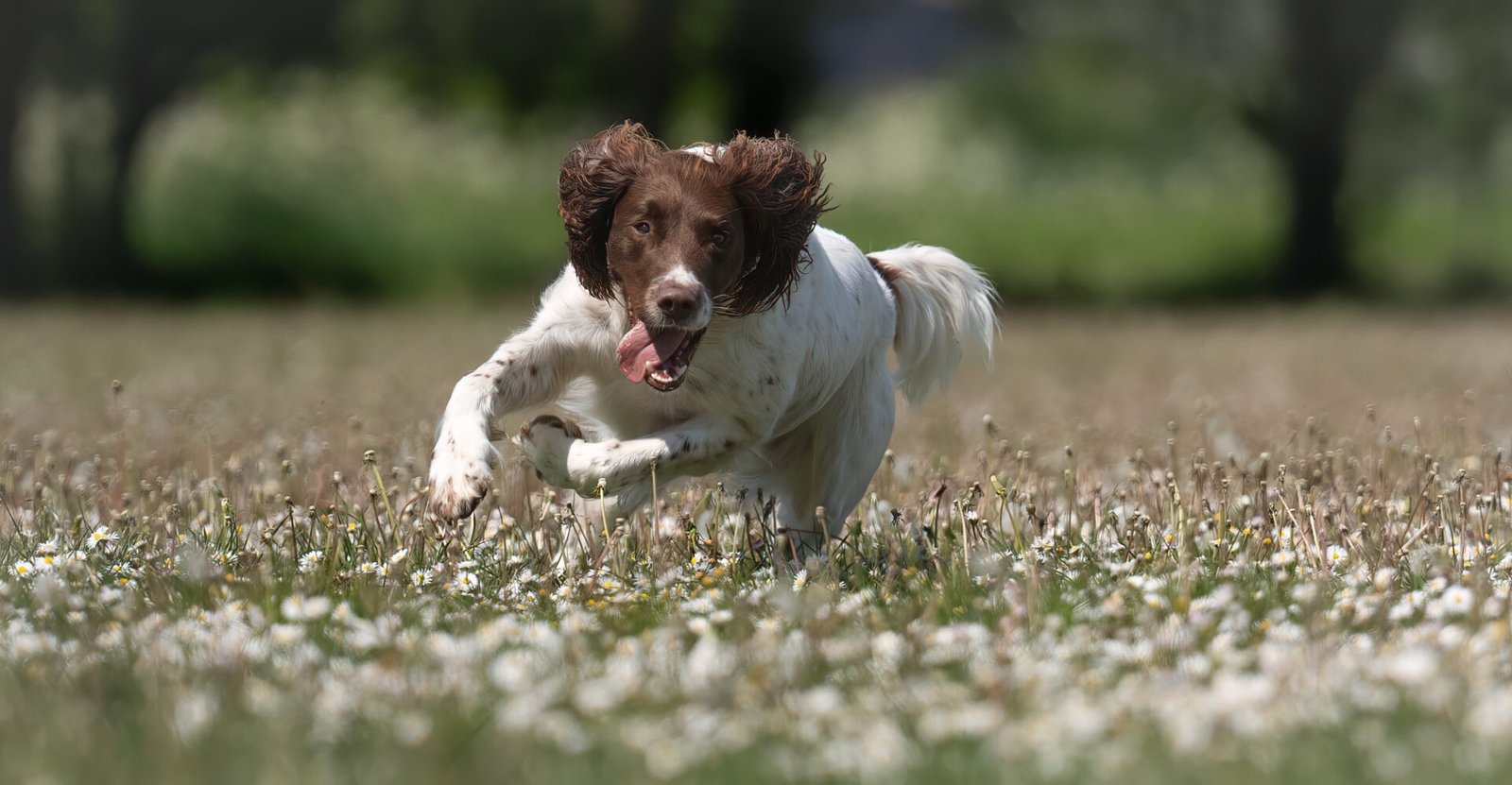
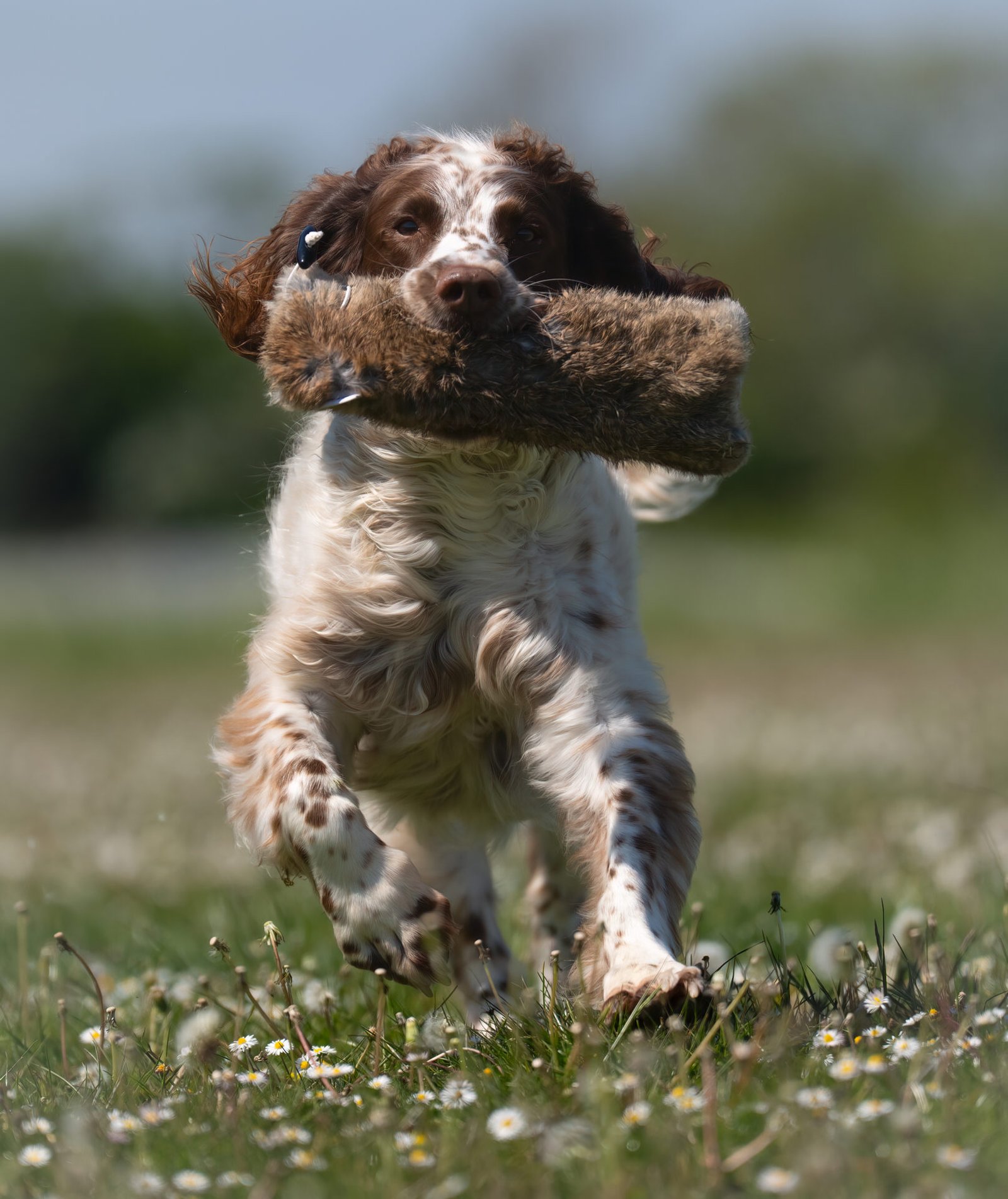
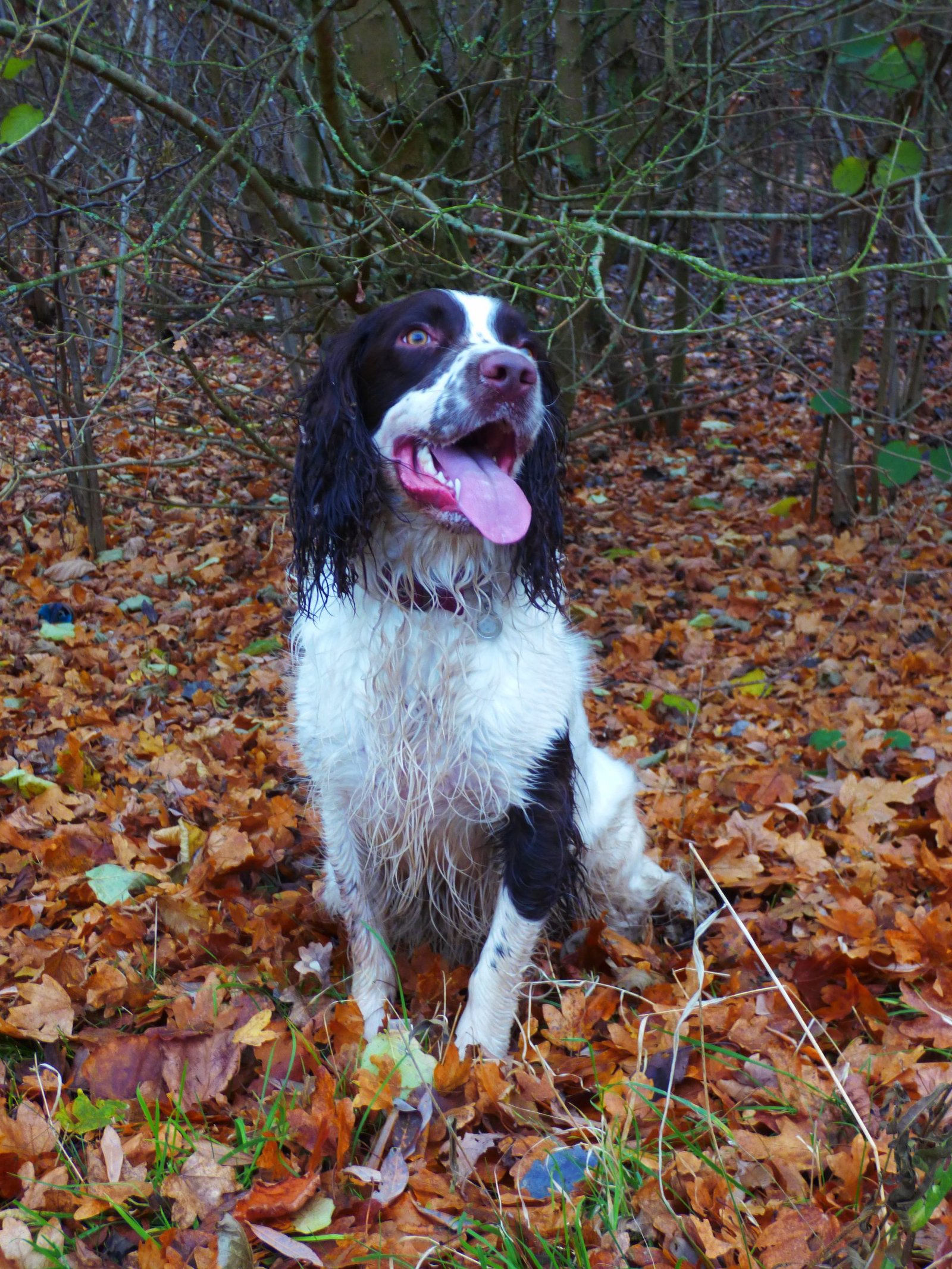
Understanding the Spaniel Mind
Spaniels were originally bred as hunting and gundogs. Their role was/is to search dense cover, flush out game, and work closely with their handler.
Even if your Spaniel spends their days curled up on the sofa rather than working in the field, those instincts are still very much alive.
Many Spaniels naturally:
- Follow scents relentlessly
- Search bushes and undergrowth
- Chase moving wildlife
- Cover large areas of ground quickly
- Become highly excited outdoors
- Struggle to disengage from interesting smells
These traits make them fantastic working dogs—but can create challenges for pet owners.
Common Training Struggles With Spaniels
“My Spaniel Has No Recall”
One of the biggest frustrations owners face is recall.
Your dog may come back perfectly in the garden but completely ignore you when a rabbit darts across a field.
This isn’t because they don’t love you or respect you.
In that moment, the instinct to hunt can simply be more rewarding than returning to their owner.
Pulling on the Lead
Spaniels are naturally driven to investigate their environment.
Their nose often leads the way, meaning walks can feel more like water-skiing than dog walking.
Without training, many Spaniels spend every walk pulling towards scents, wildlife, or exciting opportunities.
Chasing Wildlife
Birds, rabbits, squirrels, deer—if it moves, many Spaniels want to investigate it.
Again, this isn’t bad behaviour.
It’s instinct.
The goal isn’t to eliminate those instincts but to teach your dog how to manage them appropriately.
Managing Hunting Behaviours
The good news is that you don’t need to fight your Spaniel’s instincts.
In fact, trying to suppress them completely often creates frustration for both dog and owner.
Instead, focus on channelling those instincts into appropriate activities.

Build Value in Checking In
Rather than constantly calling your Spaniel back, reward them for voluntarily checking in with you during walks.
The more valuable you become, the more likely they are to stay connected even when distractions appear. The reward can be what ever your dog finds the most rewarding. For most, this could be a simple ‘YES’ or ‘GOOD DOG’ or a throw of a dummy etc.
Don’t let your dog venture too far without you, turn and change direction so they start to check in m ore frequently. Changing your pace from time to time can also help keep them on their toes.
Train Around Distractions Gradually
Reliable recall isn’t built in an empty field.
It’s built by slowly increasing distractions while setting your dog up for success.
Too many owners move straight from the garden to the local rabbit hotspot and wonder why training falls apart. A longline is always a good tool to help build confidence in unknown areas.
The Secret to Living With a Spaniel
The happiest Spaniels aren’t necessarily the most exercised.
They’re the ones whose natural instincts are understood and given an appropriate outlet.
When owners stop seeing hunting behaviours as problems and start seeing them as opportunities for training, enrichment, and connection, everything changes.
Your Spaniel doesn’t need to stop being a Spaniel.
They simply need guidance on how to channel those incredible instincts into behaviours that work in the modern world.
And when that happens, you’ll discover why so many people fall hopelessly in love with this wonderful breed.
At Wags N Woofs, helping owners understand and work with their dog’s natural instincts is at the heart of what we do.
If you’re struggling with recall, lead pulling, chasing wildlife, or managing your Spaniel’s endless enthusiasm, we’d love to help.